
Why Postural Restrictions Matter in Workers’ Compensation and Social Security Disability Cases
After a serious workplace injury, many people focus on one question; “How much weight can I lift?”
While lifting restrictions are certainly important, they are only one part of the picture. Many injured workers receive permanent restrictions involving activities such as:
- stooping;
- kneeling;
- crouching;
- crawling;
- climbing; or
- balancing.
These are known as postural restrictions, and although they may sound minor, they can dramatically affect both an Alabama Workers’ Compensation claim and a Social Security Disability case.
What Are Postural Restrictions?
Postural restrictions limit how you move your body rather than how much weight you can lift. Common examples include restrictions involving:
- stooping;
- kneeling;
- crouching;
- crawling;
- climbing;
- balancing; and
- working at unprotected heights.
These restrictions are commonly assigned after injuries involving:
- the back;
- neck;
- hips;
- knees;
- feet;
- ankles; or
- multiple orthopedic injuries.
They are often based upon concerns that repetitive bending, climbing, or balancing could worsen the injury or increase the risk of another fall.
Recommended Reading: What Do Permanent Work Restrictions Mean in Workers’ Compensation and Social Security Disability Cases?
Why These Restrictions Matter More Than People Realize
Many injured workers tell us “I can still bend over.” That may be true, but the real question is Can you safely bend over dozens or even hundreds of times every day, five days a week?
Competitive employment is based on what someone can do consistently, not occasionally. That distinction is one of the most important concepts in both Workers’ Compensation and Social Security Disability law.
Stooping: One of the Most Important Restrictions
Of all the postural limitations, stooping is often the most significant.
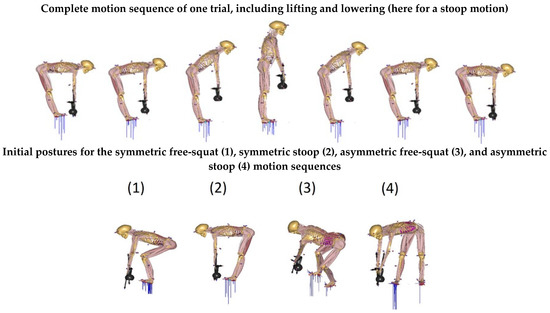
Stooping generally involves bending the body downward by bending at the waist. It is required in many everyday work activities, including:
- picking items up from the floor;
- stocking shelves;
- retrieving tools;
- loading materials;
- filing documents; and
- countless other tasks.
Many people are surprised to learn that even sedentary jobs often require occasional stooping. For that reason, Social Security recognizes that a complete inability to stoop may dramatically reduce the number of jobs available in the national economy.
In some cases, that limitation alone can become an important vocational factor.
Kneeling and Crawling
Kneeling and crawling are frequently restricted after:
- knee surgery;
- hip replacement;
- spinal surgery;
- foot injuries; or
- severe arthritis.
Unlike stooping, these activities are generally required less frequently in sedentary and many light occupations.
That does not mean they are unimportant. Construction workers, mechanics, electricians, plumbers, HVAC technicians, and many maintenance workers kneel and crawl routinely. For those workers, such restrictions may effectively end their ability to return to their previous occupations.
Recommended Reading: Can a Knee Injury Lead to Workers’ Compensation and Social Security Disability Benefits?
Recommended Reading: Can a Hip Injury Lead to a Workers’ Compensation and Social Security Disability Benefits?
Climbing Restrictions
Many physicians permanently prohibit climbing:
- ladders;
- scaffolds;
- roofs; or
- elevated work surfaces.
These restrictions commonly follow:
- spinal injuries;
- shoulder injuries;
- knee injuries;
- balance disorders; or
- foot and ankle injuries.
For someone whose career involved construction, utility work, telecommunications, warehousing, or industrial maintenance, climbing restrictions may eliminate entire categories of employment.
Balancing Can Become a Major Issue
Balance problems are frequently overlooked, yet they can become critically important after injuries involving:
- the inner ear;
- the spine;
- hips;
- knees;
- feet;
- ankles; or
- neurological disorders.
Some workers develop balance problems because they must walk with an altered gait after a serious lower-extremity injury.
Others develop balance difficulties because of chronic pain or medication side effects.
A person who cannot safely maintain balance—even while walking on level ground—may have far fewer occupational options than someone with only lifting restrictions.
Recommended Reading: Can a Foot Injury Lead to Workers’ Compensation and Social Security Disability Benefits?
Recommended Reading: Can a Scheduled Injury Become a Whole-Body Injury Under Alabama Workers’ Compensation Law?
Recommended Reading: How can an Altered Gait Affect a claim for Workers’ Comp or Social Security Disability benefits?
Why Postural Restrictions Matter in Workers’ Compensation Cases
Permanent postural restrictions often determine whether an injured worker can return to the occupation they performed before the accident. For example:
A construction worker who can never again:
- climb ladders;
- kneel repeatedly;
- crawl beneath structures; or
- balance safely on uneven surfaces
may no longer be able to perform the essential functions of that occupation. Those restrictions frequently become important evidence when evaluating:
- vocational disability;
- loss of earning capacity;
- permanent total disability; and
- future employability.
Vocational experts routinely consider these limitations when evaluating whether suitable work remains available.
Recommended Reading: What if I cannot return to My Job?
Recommended Reading: What is the Role of a Vocational Expert?
Social Security Looks at Postural Restrictions Differently
Social Security asks a different question.
Instead of asking whether someone can return to their former job, the Administration asks Can this person perform any substantial gainful activity on a sustained basis?
Postural restrictions become part of the claimant’s Residual Functional Capacity (RFC).
When evaluating RFC, Social Security considers whether a person can:
- stoop;
- kneel;
- crouch;
- crawl;
- climb;
- balance;
- stand;
- walk; and
- perform these activities consistently throughout an eight-hour workday.
One restriction alone may not establish disability.
However, several restrictions combined may dramatically reduce the range of available work.
Recommended Reading: What is the Residual Functional Capacity?
Recommended Reading: Social Security isn’t asking if you are disabled, they are asking if you can maintain steady employment.
Age and Past Relevant Work Matter Too
The same postural restrictions may affect workers very differently. Imagine two people who cannot:
- climb;
- kneel;
- crouch;
- crawl; or
- stoop frequently.
One is a 30-year-old accountant. The other is a 60-year-old ironworker.
Although their restrictions are identical, their vocational outlook may be very different because Social Security considers:
- age;
- education;
- past relevant work;
- transferable skills; and
- functional capacity.
Those factors frequently become especially important for older workers.
Recommended Reading: How Does Age Affect My Social Security Disability Claim?
Recommended Reading: What Is Past Relevant Work?
Recommended Reading: What are Transferable Skills?
Functional Capacity Evaluations Often Measure Postural Activities
Many Functional Capacity Evaluations (FCEs) specifically test:
- bending;
- squatting;
- kneeling;
- climbing;
- balancing;
- lifting;
- carrying; and
- endurance.
These measurements often help physicians determine permanent work restrictions, and the results may also be reviewed by vocational experts when evaluating employability.
Recommended Reading: What Is a Functional Capacity Evaluation (FCE)?
Don’t Underestimate “Small” Restrictions
Sometimes, the inability to stoop repeatedly, maintain balance safely, or climb ladders is far more vocationally significant than the diagnosis itself.
Postural restrictions may seem like small details on a doctor’s work-status form. In reality, they often determine whether an injured worker can safely return to construction, manufacturing, healthcare, trucking, warehouse work, or countless other physically demanding occupations.
Likewise, Social Security does not simply ask whether a person has suffered a serious injury. It asks whether that person can continue performing the physical activities required by competitive employment on a regular and continuing basis.
At Powell & Denny, we have spent more than 30 years representing injured and disabled workers throughout Alabama. We understand that successful Workers’ Compensation and Social Security Disability cases are built not simply on medical diagnoses, but on carefully documenting how injuries limit the ordinary physical activities that work requires.
If you have questions about an Alabama Workers’ Compensation Claim, or a claim for Social Security Disability benefits, don’t hesitate to contact the experienced attorneys at Powell and Denny today a free consultation; remember. Virtual appointments are available through Zoom so you can meet with one of the attorneys of Powell and Denny from wherever you live, and remember-there is no fee unless you win.
Powell & Denny: We Work When You Can’t.
Offices in Huntsville, Alabama and Birmingham, AL
We Wrote the Book
My Alabama Disability Claim by William Powell & Gregory Denny Click Here to Get Your Free Copy


-
 5.0/5.0
A++++++ got results and staff is friendly
-
5.0/5.0
A++++++ got results and staff is friendly
-
5.0/5.0
Persevering for 2-3 years to get my disability. Thank You.
-
5.0/5.0
Persevering for 2-3 years to get my disability. Thank You.
-
 5.0/5.0
William Powell is an excellent attorney and a leader in our local bar.
