
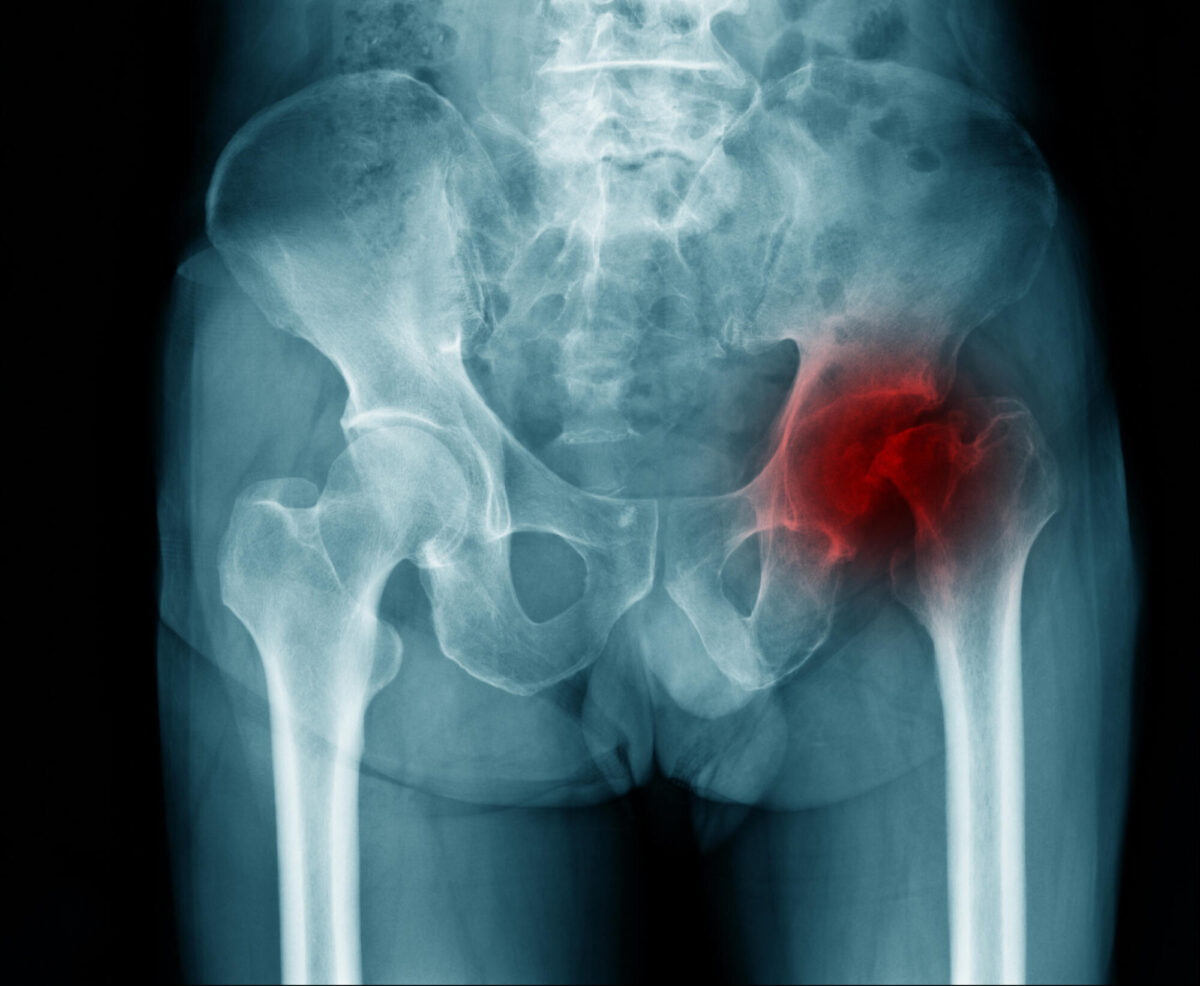
Can a Hip Injury Lead to Both Workers Compensation and Social Security Disability Benefits?
When people think about workplace injuries, they often think of back injuries, shoulder injuries, or knee injuries. Hip injuries are discussed far less often, yet a serious hip injury can permanently affect the way a person stands, walks, climbs, bends, lifts, and performs nearly every physical job. For some injured workers, a hip injury becomes much more than an orthopedic problem—it can lead to both an Alabama Workers’ Compensation claim and a Social Security Disability claim.
Understanding how those two systems evaluate hip injuries can help explain why these cases are often more complicated than people realize.
Common Hip Injuries
Serious workplace hip injuries may include:
- labral tears;
- fractures;
- traumatic arthritis;
- bursitis;
- tendon injuries;
- muscle tears;
- hip impingement; and
- aggravation of preexisting arthritis.
Some workers heal well with little residual effect, some eventually require hip replacement surgery, while others continue to experience chronic pain, stiffness, weakness, and limited mobility despite treatment.
“It’s Just Arthritis”
One of the most common reasons employers and insurance carriers deny hip injury claims is by arguing: “This is simply arthritis.” Degenerative arthritis is extremely common as we age, and many people have significant arthritic changes visible on X-rays or MRI scans while continuing to work full-time without restrictions.
The legal question is usually not whether arthritis existed before the work injury. Instead, the question is: Did the workplace accident or repetitive job duties aggravate, accelerate, or make that condition symptomatic?
If so, Alabama workers’ compensation law may still provide benefits. Workers’ compensation does not require employees to have perfect joints before reporting to work.
Hip Injuries Affect the Entire Body
Unlike many other orthopedic injuries, hip injuries frequently change the mechanics of how a person walks. Workers often begin:
- limping;
- shifting weight;
- shortening their stride;
- relying more heavily on the opposite leg; or
- using a cane or walker.
Over time, those changes may contribute to additional problems involving:
- the lower back;
- the opposite hip;
- the knees;
- balance;
- chronic pain; and
- reduced endurance.
The body is designed to work as a single system. When one major weight-bearing joint no longer functions normally, the effects are often felt throughout the body.
Why Hip Injuries Are Important in Alabama Workers’ Compensation Cases
Unlike injuries involving many scheduled members, hip injuries are generally considered injuries to the body as a whole under Alabama Workers’ Compensation law, and that distinction can be extremely important.
In serious hip injury cases, courts may consider vocational evidence such as:
- age;
- education;
- work history;
- transferable skills;
- permanent restrictions;
- chronic pain;
- medication side effects; and
- loss of earning capacity.
These vocational factors frequently become critical when determining whether an injured worker can realistically return to meaningful employment.
Permanent Restrictions Often Matter More Than the Diagnosis
One of the most important questions after a serious hip injury is not simply “What does the MRI show?” Instead, it is “What can the worker safely do now?”
Following treatment or surgery, physicians frequently assign permanent work restrictions.
A worker may be limited to:
- sedentary work;
- light work;
- medium work; or
- have Postural limitations;
For someone whose career has involved heavy physical labor, those restrictions may effectively end the occupation they have performed for decades.
When a Hip Injury May Lead to Social Security Disability
Not every hip injury qualifies a person for Social Security Disability benefits. Most do not; however, serious hip injuries sometimes become part of a successful disability claim.
Imagine a 60-year-old warehouse worker who undergoes a total hip replacement after a workplace accident. Following surgery, the worker remains limited to sedentary work, requires a cane for prolonged walking, and can no longer safely climb, squat, kneel, or lift heavy materials.
The worker has spent forty years performing heavy labor and has no experience performing office work. Under those circumstances, the issue is no longer simply the injured hip.
The question becomes whether the worker can realistically perform any substantial gainful activity on a regular and continuing basis.
Social Security Looks at More Than the Hip
Unlike workers’ compensation, Social Security evaluates the entire individual. In addition to the hip injury itself, Social Security may consider:
- other medical conditions;
- age;
- education;
- past relevant work;
- transferable skills;
- chronic pain;
- medication side effects; and
- residual functional capacity.
For older workers who have spent their careers performing physically demanding jobs, permanent restrictions to sedentary or light work may have significant consequences.
In some situations, the Social Security Medical-Vocational Guidelines—commonly known as the Grid Rules—may direct a finding of disabled when a claimant cannot return to past relevant work and lacks transferable skills.
Why Understanding Both Systems Matters
The same hip injury may involve two very different legal analyses. In an Alabama workers’ compensation case, the issues may include:
- whether the injury arose out of employment;
- aggravation of a preexisting condition;
- permanent restrictions;
- vocational disability;
- future medical treatment; and
- loss of earning capacity.
A Social Security Disability claim focuses on different questions, including whether the claimant can perform substantial gainful activity considering all medically determinable impairments.
Although the medical records may overlap, the legal standards are not the same, and understanding those differences is often important when pursuing both claims.
A serious hip injury is rarely just a hip injury. The hips are among the body’s primary weight-bearing joints, problems involving one hip often affect balance, walking, the lower back, the knees, and overall mobility. When permanent restrictions prevent a return to physically demanding work, a hip injury may raise important issues under both Alabama Workers’ Compensation law and Social Security Disability law.
At Powell & Denny, we have spent more than 30 years representing injured and disabled workers throughout Alabama, so if you have questions about an Alabama Workers’ Compensation claim, or a claim for Social Security Disability benefits, don’t hesitate to contact the experienced attorneys at Powell and Denny today a free consultation; remember. Virtual appointments are available through Zoom so you can meet with one of the attorneys of Powell and Denny from wherever you live, and remember-there is no fee unless you win.
Powell & Denny: We Work When You Can’t.
Offices in Huntsville, Alabama and Birmingham, AL

We Wrote the Book
My Alabama Disability Claim by William Powell & Gregory Denny Click Here to Get Your Free Copy


-
 5.0/5.0
A++++++ got results and staff is friendly
-
5.0/5.0
A++++++ got results and staff is friendly
-
5.0/5.0
Persevering for 2-3 years to get my disability. Thank You.
-
5.0/5.0
Persevering for 2-3 years to get my disability. Thank You.
-
 5.0/5.0
William Powell is an excellent attorney and a leader in our local bar.
