
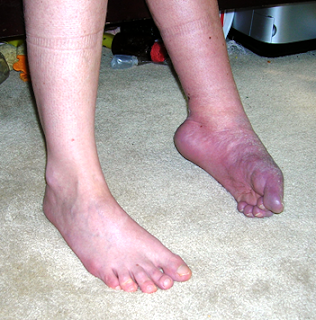
How Complex Regional Pain Syndrome CRPS Affects Alabama Workers’ Compensation and Social Security Disability Claims
Most people have never heard of Complex Regional Pain Syndrome (CRPS) until they—or someone they love—is diagnosed with it.
Often, CRPS begins after what initially appears to be a relatively minor injury:
- a broken wrist;
- an ankle fracture;
- hand surgery;
- knee surgery;
- shoulder surgery;
- a crush injury;
- or even a simple sprain.
Instead of gradually improving, however, the injured worker begins experiencing severe burning pain, swelling, changes in skin color, extreme sensitivity, and loss of function that seem completely out of proportion to the original injury.
For some individuals, CRPS becomes one of the most disabling conditions seen in both Alabama Workers’ Compensation claims and Social Security Disability cases.
What Is Complex Regional Pain Syndrome?
Complex Regional Pain Syndrome—formerly known as Reflex Sympathetic Dystrophy (RSD)—is a chronic neurological pain disorder involving abnormal function of the peripheral and central nervous systems.
Doctors generally recognize two forms:
Type I
Occurs without a confirmed nerve injury.
Type II (Causalgia)
Occurs after a documented nerve injury.
Although they develop differently, both types may produce nearly identical symptoms and long-term disability.
Unlike many orthopedic injuries, CRPS is not simply a problem involving bones, muscles, or joints. It is a disorder involving how the nervous system processes pain.
Recommended Reading: How does Permanent Nerve Damage Affect a Workers’ Compensation and Social Security Disability claims
Common Symptoms of CRPS
CRPS often causes symptoms far beyond what most people expect after an injury. These may include:
- severe burning pain;
- hypersensitivity to touch;
- swelling;
- skin discoloration;
- abnormal sweating;
- temperature changes;
- shiny or thin skin;
- abnormal nail or hair growth;
- muscle weakness;
- tremors;
- stiffness;
- decreased range of motion;
- clawing or contractures in advanced cases.
Many patients also develop:
- depression/anxiety;
- sleep disturbance;
- concentration problems;
- medication side effects.
The condition affects far more than the injured body part.
CRPS Often Starts as a Scheduled Injury
One of the most fascinating—and legally important—aspects of CRPS is how it develops. A worker may initially suffer an injury involving:
- a hand;
- wrist;
- foot;
- ankle;
- or leg.
Normally, these are considered scheduled injuries under Alabama Workers’ Compensation law.
Then CRPS develops. The case may no longer be about an injured hand or foot, it might now involve the entire body.
Recommended Reading: Scheduled vs. Non-Scheduled Injuries Under Alabama Workers’ Compensation Law
CRPS Can Affect the Entire Body
Many people mistakenly believe CRPS is simply “pain.” It is much more than that.
Chronic pain changes how people move. Someone with CRPS involving a foot may begin walking with an altered gait. Eventually they may develop:
- knee pain;
- hip pain;
- low back pain;
- balance problems;
- falls.
Likewise, CRPS involving the upper extremity may severely limit:
- grip strength;
- reaching;
- lifting;
- bilateral hand use;
- fine manipulation.
The original injury may have been relatively small-the consequences often are not.
Recommended Reading: How Chronic Pain Affects a Workers’ Compensation and Social Security Disability Claim
Medical Treatment Often Continues for Years
Unfortunately, there is currently no cure for CRPS. Treatment often includes:
- pain management;
- physical therapy;
- occupational therapy;
- sympathetic nerve blocks;
- spinal cord stimulators;
- prescription medication;
- psychological counseling.
The goal frequently becomes controlling symptoms rather than curing the disease. That is known as palliative care.
Recommended Reading: Understanding Palliative Care After Maximum Medical Improvement
How CRPS Affects Alabama Workers’ Compensation Claims
When CRPS develops because of a compensable work injury, Alabama workers’ compensation generally requires the employer or insurance carrier to provide reasonably necessary treatment for the condition. Benefits may include:
- medical treatment;
- pain management;
- prescription medication;
- temporary disability benefits;
- permanent disability benefits;
- future medical care.
Perhaps even more importantly, CRPS frequently creates vocational issues. A worker who suffers with Complex Regional Pain Syndrome may simply be unable to return to that occupation. In this situation, the focus shifts from the injured limb to the worker’s overall ability to earn a living.
Recommended Reading: What Happens If I Can’t Return to My Job After a Work Injury?
Recommended Reading: What Do Permanent Work Restrictions Mean in Workers’ Compensation and Social Security Disability Cases?
How CRPS Affects Social Security Disability Claims
Social Security does not maintain a listing specifically titled “CRPS,” but that does not mean the condition cannot qualify for disability benefits.
Many CRPS claims are approved because of limitations involving:
- standing;
- walking;
- use of the hands;
- chronic pain;
- concentration;
- medication side effects;
- attendance;
- pace;
- persistence.
Social Security evaluates the combined effect of these limitations when determining a claimant’s Residual Functional Capacity (RFC).
If a claimant cannot return to past work, Social Security next considers:
- age;
- education;
- transferable skills;
- Medical-Vocational Guidelines (Grid Rules).
For older workers, these vocational rules may become extremely important.
Recommended Reading: How Age affects a claim for Social Security Disability Benefits
Recommended Reading: What is a Residual Functional Capacity (RFC)?
Recommended Reading: Transferability of Job Skills in Social Security Disability Claims
Many people suffering from CRPS require medications such as:
- gabapentin;
- pregabalin (Lyrica);
- opioids;
- antidepressants;
- muscle relaxers.
These medications may produce:
- drowsiness;
- dizziness;
- slowed thinking;
- nausea;
- impaired concentration.
Sometimes the medication necessary to control pain creates its own work limitations.
That becomes important in both workers’ compensation and disability cases.
Recommended Reading: Can the Side Effects of Medication Affect My Workers’ Compensation Claim?
Recommended Reading: Can the Side Effects of My Prescribed Medication Help Prove My Social Security Disability Claim?
Medical Documentation Is Critical
CRPS often does not appear on X-rays or MRI scans.
Successful claims frequently depend upon careful medical documentation showing:
- persistent pain complaints;
- objective physical findings;
- loss of function;
- specialist treatment;
- medication history;
- permanent work restrictions;
- Functional Capacity Evaluations;
- consistent reports over time.
The more consistently these limitations are documented, the stronger both workers’ compensation and disability claims tend to become.
Recommended Reading: How Functional Capacity Evaluations Affect Workers’ Compensation Claims
Complex Regional Pain Syndrome is one of the most serious chronic pain conditions an injured worker can develop. Although it often begins with what appears to be a relatively minor injury, CRPS can ultimately affect nearly every aspect of a person’s life—including mobility, concentration, sleep, emotional health, and the ability to work.
In Alabama workers’ compensation claims, CRPS may transform what began as a scheduled injury into a case involving vocational disability and loss of earning capacity. In Social Security Disability claims, the combination of chronic pain, functional limitations, medication side effects, and vocational factors may prevent a person from returning to any substantial gainful employment.
The diagnosis itself is important, but the real legal question is how CRPS affects your ability to function on a sustained basis. When the condition prevents reliable, full-time employment, both Alabama Workers’ Compensation law and Social Security Disability law may provide important protections.
At Powell & Denny, we have spent more than 30 years helping injured and disabled workers throughout Alabama. We understand that disability is rarely determined by a single diagnosis. Instead, it is often measured by how an injury affects the ability to perform the everyday activities required by competitive employment.
If you have questions about an Alabama Workers’ Compensation claim, or a claim for Social Security Disability benefits, don’t hesitate to contact the experienced attorneys at Powell and Denny today a free consultation; remember. Virtual appointments are available through Zoom so you can meet with one of the attorneys of Powell and Denny from wherever you live, and remember-there is no fee unless you win.
Powell & Denny: We Work When You Can’t.
Offices in Birmingham, Alabama and Huntsville, AL
We Wrote the Book
My Alabama Disability Claim by William Powell & Gregory Denny Click Here to Get Your Free Copy


-
 5.0/5.0
A++++++ got results and staff is friendly
-
5.0/5.0
A++++++ got results and staff is friendly
-
5.0/5.0
Persevering for 2-3 years to get my disability. Thank You.
-
5.0/5.0
Persevering for 2-3 years to get my disability. Thank You.
-
 5.0/5.0
William Powell is an excellent attorney and a leader in our local bar.
