
Why Your Grip Strength Matters in Workers Compensation and Social Security Disability Claims
If you have suffered a serious injury to your hand, wrist, elbow, shoulder, or neck, you may eventually hear someone mention your grip strength.
At first, this may not seem very important. After all, squeezing a small device during a Functional Capacity Evaluation (FCE) hardly seems like it could affect your workers’ compensation or Social Security Disability claim.
In reality, grip strength can become one of the most important measurements in your entire case.
Why? Because your ability to grip, hold, pinch, manipulate, and feel objects affects almost every job performed in today’s economy.
What Is Grip Strength?
Grip strength measures how much force you can generate when squeezing an object.
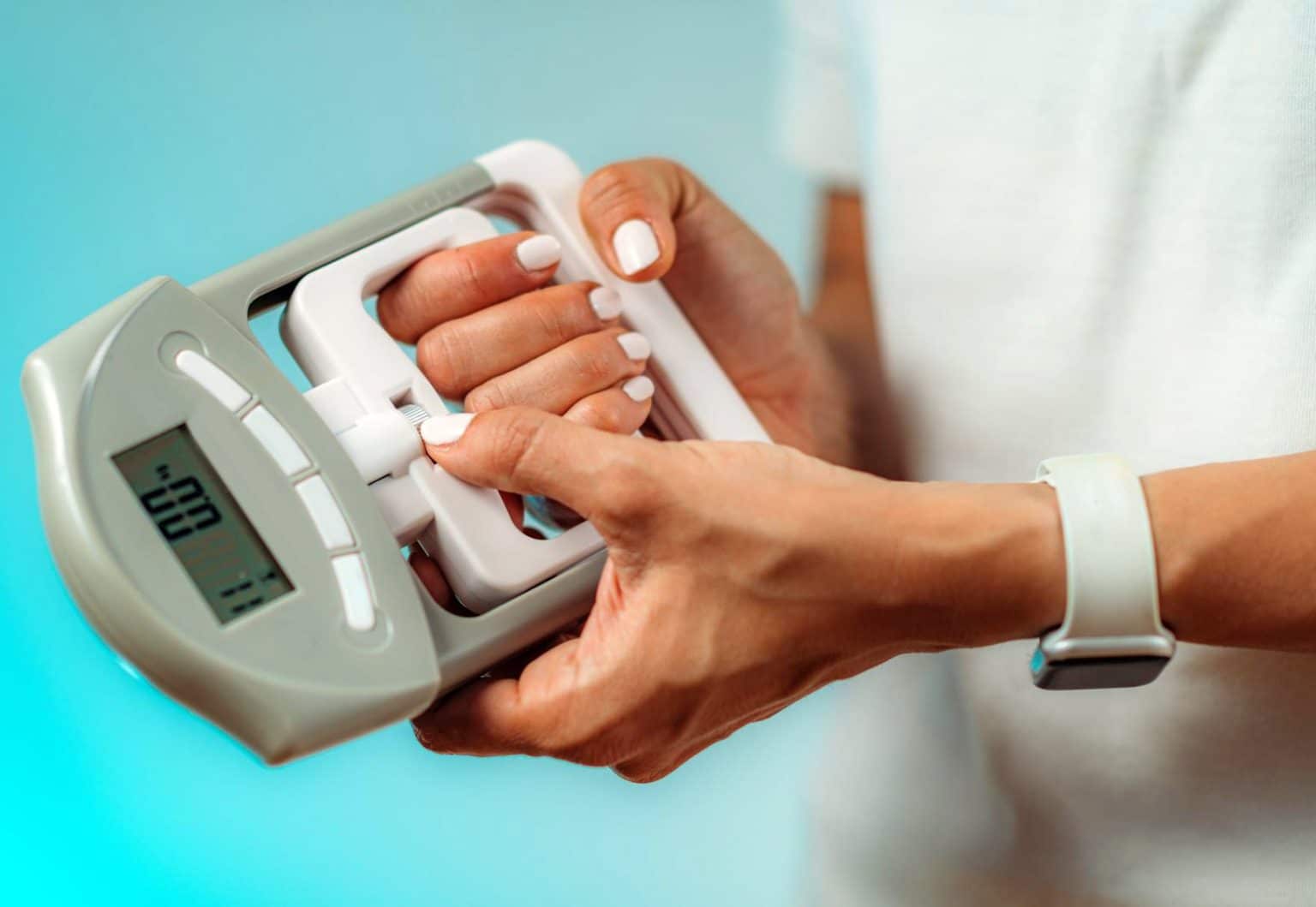
During many Functional Capacity Evaluations, the examiner uses a hand dynamometer to measure this strength. You will usually be asked to squeeze the device several times with each hand. The testing is designed to evaluate:
- overall grip strength;
- consistency of effort;
- differences between the dominant and non-dominant hand; and
- whether the results appear reliable.
Although the numbers themselves are important, they tell only part of the story.
Grip Strength Is About More Than Strength
Many people assume grip testing simply measures how strong someone is, but it is designed to do more than that. A decrease in grip strength may indicate:
- nerve damage;
- tendon injury;
- muscle weakness;
- pain;
- loss of coordination;
- reduced endurance; or
- difficulty using the hand repeatedly throughout an entire workday.
Even a relatively small loss of hand function can have enormous consequences for someone whose job depends upon using tools, machinery, or repetitive hand movements.
Pinch Strength Can Be Just as Important
Many evaluations also measure pinch strength. Pinch strength evaluates your ability to:
- pick up small objects;
- manipulate fasteners;
- button clothing;
- turn keys;
- write;
- type;
- grasp coins;
- hold screws or nails; and
- perform other fine motor activities.
These are tasks many people take for granted until an injury makes them difficult.
Why Functional Capacity Evaluations Measure Grip Strength
Most Functional Capacity Evaluations include some form of grip-strength testing. The results may help determine:
- permanent work restrictions;
- return-to-work ability;
- functional limitations;
- whether the worker can safely perform certain job duties; and
- consistency of effort during testing.
Because the measurements are objective, physicians often consider them when assigning permanent restrictions; however, grip strength is only one part of the overall evaluation.
Pain, endurance, coordination, and repetitive use remain equally important.
Why Grip Strength Matters in Workers’ Compensation Cases
Many injuries involving the hand or wrist are treated as scheduled injuries under Alabama Workers’ Compensation law. However, grip strength may still become important because it helps physicians, therapists, and vocational experts evaluate how much functional use of the hand remains.
Loss of grip strength may affect a worker’s ability to:
- use power tools;
- operate machinery;
- climb ladders safely;
- carry materials;
- perform repetitive assembly work;
- drive commercial vehicles;
- care for patients;
- use firearms;
- perform electrical work; or
- return to countless other occupations.
In some cases, chronic pain, permanent nerve damage, or conditions such as Complex Regional Pain Syndrome (CRPS) may raise issues extending beyond a routine scheduled injury.
Why Grip Strength Matters Even More in Social Security Disability Cases
Social Security is often less concerned with how much a person can lift than with how effectively they can use their hands throughout an eight-hour workday.
Many people assume sedentary work simply means sitting, but it does not. Most unskilled sedentary jobs require frequent handling, fingering, and manipulation of objects with both hands.
Social Security has recognized that significant limitations involving the use of both hands can dramatically reduce the number of jobs available in the national economy. Likewise, reaching, handling, fingering, and feeling are basic work activities required in almost every occupation.
Simply being able to sit does not necessarily mean someone can perform sedentary work if they cannot effectively use their hands.
Bilateral Dexterity Matters
Many workers suffer injuries involving both hands.When both hands are affected, the vocational consequences can become much more significant.
Jobs that require:
- keyboarding;
- sorting;
- packaging;
- inspection;
- assembly;
- tool use; or
- repetitive production work
often require good use of both hands throughout the workday. Loss of bilateral manual dexterity may substantially reduce the range of jobs available.
Grip Strength Is Only One Piece of the Puzzle
No single test determines whether someone is disabled.
Grip strength must be considered together with:
- pain;
- numbness;
- loss of sensation;
- endurance;
- repetitive-use limitations;
- work restrictions;
- medical imaging;
- physician opinions;
- Functional Capacity Evaluation results;
- vocational testimony; and
- the worker’s age, education, and work history.
The goal is not simply to measure how hard someone can squeeze a handle. The goal is to determine what work they can realistically sustain on a full-time basis.
Why Vocational Experts Pay Attention
Vocational experts frequently review Functional Capacity Evaluations when forming opinions about employability.
They may consider whether reduced grip strength affects a person’s ability to perform jobs described in the Dictionary of Occupational Titles (DOT) or other vocational resources.
For some workers, particularly those whose careers have involved skilled trades, manufacturing, healthcare, or other occupations requiring frequent hand use, reduced grip strength may eliminate an entire class of jobs.
Final Thoughts
A grip-strength test may last only a few minutes. The results, however, may affect the rest of your working life.
Whether you have suffered a traumatic hand injury, nerve damage, carpal tunnel syndrome, a shoulder injury, or even a neck injury affecting the nerves that control your hand, reduced grip strength may become an important part of both your Workers’ Compensation and Social Security Disability claims.
At Powell & Denny, we have spent more than 30 years helping injured and disabled workers throughout Alabama. We understand that disability is rarely determined by a single diagnosis. Instead, it is often measured by how an injury affects the ability to perform the everyday activities required by competitive employment.
If you have questions about an Alabama Workers’ Compensation claim, or a claim for Social Security Disability benefits, don’t hesitate to contact the experienced attorneys at Powell and Denny today a free consultation; remember. Virtual appointments are available through Zoom so you can meet with one of the attorneys of Powell and Denny from wherever you live, and remember-there is no fee unless you win.
Powell & Denny: We Work When You Can’t.
Offices in Birmingham, Alabama and Huntsville, AL
We Wrote the Book
My Alabama Disability Claim by William Powell & Gregory Denny Click Here to Get Your Free Copy


-
 5.0/5.0
A++++++ got results and staff is friendly
-
5.0/5.0
A++++++ got results and staff is friendly
-
5.0/5.0
Persevering for 2-3 years to get my disability. Thank You.
-
5.0/5.0
Persevering for 2-3 years to get my disability. Thank You.
-
 5.0/5.0
William Powell is an excellent attorney and a leader in our local bar.
