
Can I Receive Disability Benefits for Migraine Headaches?
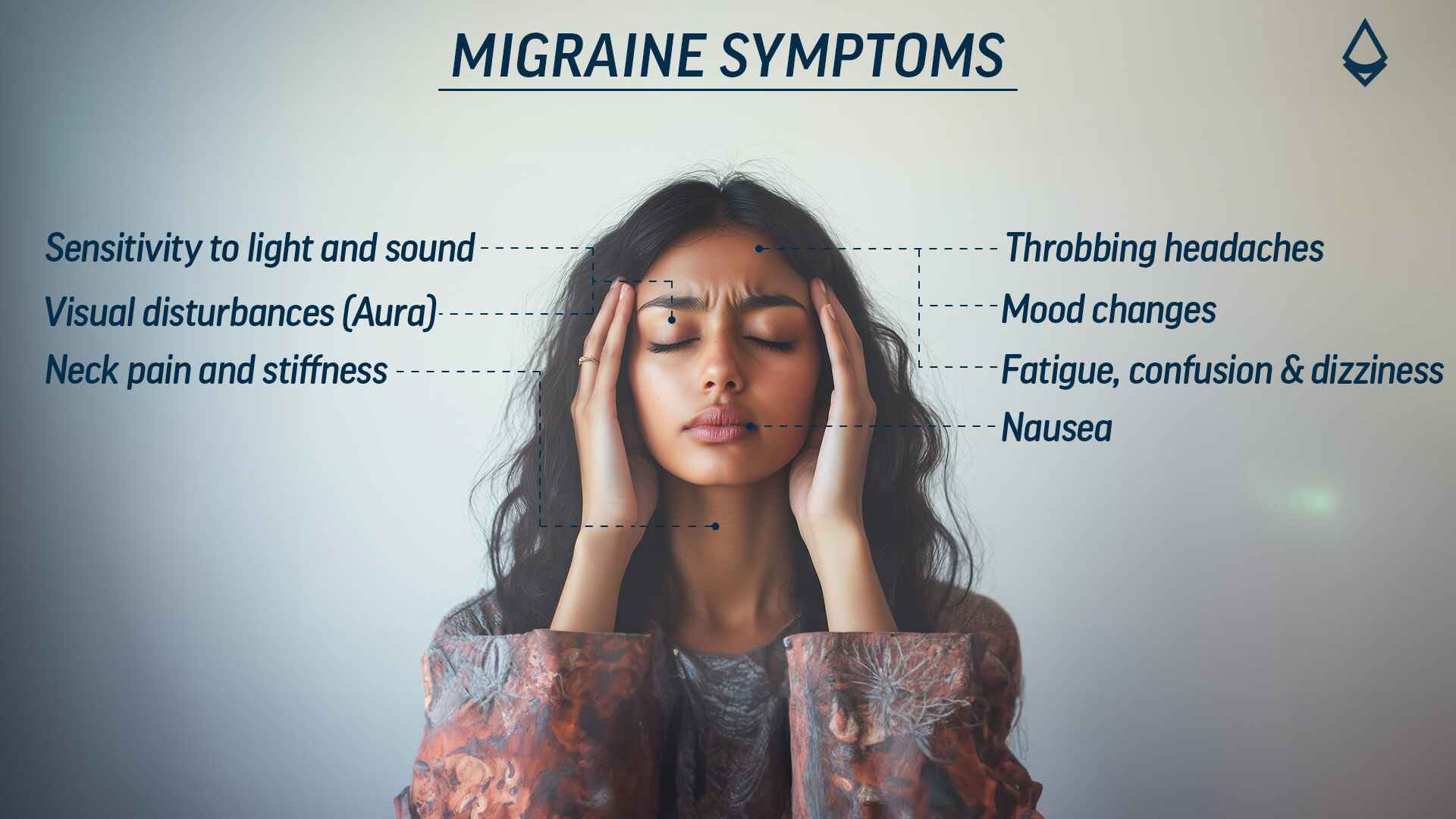
Migraine headaches are far more than “bad headaches,” anyone who has experienced a severe migraine knows they can be completely debilitating. Many migraine sufferers experience symptoms such as:
- Severe head pain;
- Nausea and vomiting;
- Sensitivity to light;
- Sensitivity to sound;
- Visual disturbances;
- Dizziness;
- Difficulty concentrating;
- The need to lie down in a dark room for hours—or even days.
A common question we hear is: “Can I receive Social Security Disability benefits because of migraine headaches?” The answer is:
Possibly.
However, as with most disability claims, Social Security is not simply concerned with whether you have been diagnosed as suffering with migraines; the real question is: “How do your migraines affect your ability to maintain employment?”
Do Migraine Headaches Automatically Qualify for Disability Benefits?
No. A diagnosis alone is not enough. Many people suffer from migraines and are able to continue working, so cannot. Social Security does not award benefits simply because a doctor has diagnosed migraine headaches.
Instead, Social Security evaluates:
- The frequency of the migraines;
- Their severity;
- How long they last;
- How they affect daily functioning;
- How they affect the ability to work.
Social Security Recognizes Migraine Headaches Can Be Disabling
In 2019, Social Security issued a ruling known as SSR 19-4p that specifically addresses primary headache disorders.
This ruling recognizes that migraine headaches and other headache disorders can, in some circumstances, be severe enough to result in disability benefits and explains how Social Security evaluates headache-related claims.
Why Migraine Cases Can Be Difficult
One challenge in migraine cases is that the condition is often invisible. Unlike a broken bone or a herniated disc, there may be no obvious objective test that fully captures the severity of the condition.
As a result, migraine claims often depend heavily upon:
- Treatment records;
- Neurology records;
- Medication history;
- Emergency room visits;
- Physician observations;
- Headache diaries;
- Testimony regarding symptoms.
Consistency of treatment is often important, and I cannot stress the importance of keeping a migraine diary. Suffers of chronic migraine headaches do not generally run to the doctor unless they need an injection, so keeping a diary not only helps keep your treating physician updated, but it is excellent evidence in a claim for Social Security Disability benefits.
Frequency Matters
When evaluating migraine claims, Social Security frequently looks at how often migraines occur.
Questions may include:
- Do headaches occur daily?
- Weekly?
- Several times per month?
- How long does each episode last?
A person suffering one mild headache every few weeks is very different from someone experiencing multiple debilitating migraines each week.
What Happens During a Migraine?
Many disability claimants describe symptoms such as:
- Needing to lie down in a dark room;
- Inability to tolerate light or noise;
- Difficulty concentrating;
- Visual disturbances;
- Nausea and vomiting;
- Inability to drive;
- Inability to interact with others.
These symptoms can significantly interfere with the ability to perform work activities.
Why Vocational Experts Often Become Important
One reason migraine cases can be strong disability claims is because they often affect reliability.
Vocational experts frequently evaluate issues such as:
- Attendance;
- Off-task behavior;
- Unscheduled breaks;
- Productivity.
A person suffering from chronic migraines may be physically capable of performing a job when they are not experiencing symptoms, but the problem is what happens when a migraine occurs.
For example:
- The worker may need to leave work unexpectedly.
- The worker may miss entire days of work.
- The worker may need to lie down during the day.
- The worker may be unable to concentrate.
Those limitations can have a significant impact on employability.
Social Security Is Not Just Asking Whether You Can Work
One of the biggest misconceptions about disability claims is that Social Security is asking: “Can you perform a job?” In many migraine cases, the real question is “Can you perform a job reliably enough to keep it?”
What Evidence Helps Migraine Cases?
Important evidence may include:
- Neurology records;
- Headache specialist records;
- MRI and diagnostic testing;
- Medication history;
- Emergency room visits;
- Treatment notes;
- Headache logs or diaries;
- Statements regarding work-related limitations.
The more consistently symptoms are documented, the stronger the evidence often becomes.
Can Migraine Headaches Affect Mental Functioning?
Yes. Many migraine sufferers report:
- Difficulty concentrating;
- Memory problems;
- Cognitive slowing;
- Brain fog.
These symptoms can be particularly important because they affect concentration, persistence, and pace—factors frequently considered in disability claims.
What If My MRI Is Normal?
Many claimants become discouraged when diagnostic testing appears normal; however, a normal MRI does not automatically mean migraine headaches are not disabling.
Migraine claims are often evaluated based upon:
- Symptoms;
- Frequency;
- Duration;
- Functional limitations.
The absence of dramatic objective findings does not necessarily determine the outcome of the claim.
Can Migraine Headaches Affect Alabama Workers’ Compensation Claims?
Sometimes. Migraine headaches may arise after:
- Head injuries;
- Concussions;
- Traumatic brain injuries;
- Workplace accidents involving blows to the head.
In those situations, migraines may become an important issue in evaluating:
- Permanent disability;
- Loss of earning capacity;
- Employability;
- Future medical treatment.
Vocational limitations resulting from chronic migraines may be considered in both workers’ compensation and Social Security Disability claims.
Migraine headaches can be far more disabling than many people realize. While not every migraine sufferer qualifies for disability benefits, severe and recurring migraines may significantly affect a person’s ability to maintain reliable employment.
For decades, the attorneys at Powell and Denny have represented disability claimants and injured workers throughout Alabama and understand how chronic medical conditions such as migraine headaches can affect employability and long-term disability benefits, so don’t hesitate to contact the experienced attorneys at Powell and Denny today a free consultation; remember. Virtual appointments are available through Zoom so you can meet with one of the attorneys of Powell and Denny from wherever you live, and remember-there is no fee unless you win.
Powell and Denny: We Work When You Can’t.
Offices in Birmingham and Huntsville, Alabama.

We Wrote the Book
My Alabama Disability Claim by William Powell & Gregory Denny Click Here to Get Your Free Copy


-
 5.0/5.0
A++++++ got results and staff is friendly
-
5.0/5.0
A++++++ got results and staff is friendly
-
5.0/5.0
Persevering for 2-3 years to get my disability. Thank You.
-
5.0/5.0
Persevering for 2-3 years to get my disability. Thank You.
-
 5.0/5.0
William Powell is an excellent attorney and a leader in our local bar.
