
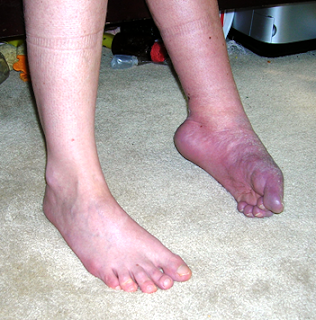
Complex Regional Pain Syndrome (CRPS) and Social Security Disability Benefits
Complex Regional Pain Syndrome (CRPS)—historically referred to as Reflex Sympathetic Dystrophy (RSD)—is a chronic neurological pain condition that can develop after trauma, surgery, or injury to a limb. Although the initial injury may appear minor, CRPS can progress into a severe, disabling disorder involving the nervous system, circulation, and motor function.
Medical research over the past decade increasingly recognizes CRPS as a disorder involving abnormal pain processing within the central and peripheral nervous systems, along with inflammatory and immune-system changes. Recent clinical literature also notes that early diagnosis and treatment may improve outcomes, but many patients continue to experience persistent, life-altering pain and functional loss despite treatment.
Common Symptoms of CRPS
CRPS symptoms often extend far beyond ordinary post-injury pain and may include:
- Severe, burning, or stabbing pain disproportionate to the original injury
- Extreme skin sensitivity to touch or temperature
- Changes in skin color, temperature, or texture
- Abnormal sweating in the affected area
- Changes in hair or nail growth
- Swelling or stiffness of joints
- Muscle weakness, tremors, or reduced movement
- Contractures or claw-like positioning of the limb in advanced cases
Because these symptoms can significantly interfere with standing, walking, using the hands, concentrating, or maintaining attendance, CRPS may ultimately prevent sustained full-time employment.
Types of CRPS
Medical professionals generally describe two forms:
- Type I: Occurs without a confirmed nerve injury
- Type II (causalgia): Occurs after a documented nerve injury
Despite this distinction, both forms can produce similar levels of severe pain and disability.
Is There a Cure?
At present, there is no definitive cure for CRPS. Treatment typically focuses on:
- Pain management
- Physical or occupational therapy
- Nerve blocks or neuromodulation
- Medications targeting nerve pain or inflammation
- Psychological support for chronic pain coping
Even with aggressive treatment, many individuals continue to experience long-term functional limitations.
Workers’ Compensation and CRPS in Alabama
When CRPS develops after a compensable job injury, it is generally considered a direct complication of that workplace injury. Under Alabama workers’ compensation law, the employer’s insurance carrier is typically responsible for:
- Reasonably necessary medical treatment related to CRPS
- Wage-replacement benefits during disability
- Compensation for any permanent impairment or disability
This is true even when CRPS develops weeks or months after the original injury, so long as medical evidence links the condition to the workplace trauma.
Social Security Disability and CRPS
Whether CRPS arises from a workplace injury or another cause, many individuals eventually find they cannot sustain full-time work.
The Social Security Administration does not have a listing specifically titled “CRPS,” but disability may still be established when medical evidence shows:
- Severe, persistent pain and functional limitation
- Inability to use an affected limb effectively
- Difficulty standing, walking, or performing fine motor tasks
- Cognitive or concentration problems related to chronic pain or medication side effects
Social Security has issued policy guidance recognizing that chronic pain disorders like CRPS can be disabling when properly documented by medical evidence and functional limitations.
The Importance of Medical Documentation
Successful disability claims involving CRPS often depend on:
- Consistent treatment records from pain specialists or neurologists
- Objective findings such as swelling, color change, or reduced motion
- Functional assessments describing limits in walking, standing, or hand use
- Documentation of medication side effects or failed treatments
Because CRPS symptoms can fluctuate and may not always appear on imaging studies, thorough clinical documentation is critical.
The Bottom Line
Complex Regional Pain Syndrome is a serious, often progressive pain disorder that can follow even a seemingly minor injury.
When CRPS prevents a person from maintaining reliable employment, workers’ compensation benefits and/or Social Security Disability benefits may provide essential financial and medical support.
Understanding these rights—and obtaining strong medical evidence—can make a meaningful difference for individuals living with this challenging condition.
If you have suffered a job injury or been denied in your application for Social Security Disability benefits and you have questions about your rights, please do not hesitate to contact and speak with one of the experienced Alabama Workers Compensation and Social Security Disability Lawyers at Powell and Denny today for a free consultation; and remember, virtual appointments are available through Zoom so you can meet with one of the attorneys of Powell and Denny from wherever you live. And remember, there is no fee unless you win.
Powell and Denny: We Work When You Can’t
Offices in Huntsville, AL and Birmingham, AL
Alabama Workers’ Compensation Attorneys
Alabama Disability Attorneys
Birmingham Workers’ Compensation Lawyers
Birmingham Social Security Disability Attorneys
Central Alabama Workers’ Compensation Attorneys
Central Alabama Social Security Disability Lawyers
Hoover Workers Compensation Lawyers
Hoover Social Security Disability Attorneys
Huntsville Workers’ Compensation Attorneys
Huntsville Social Security Disability Attorneys
North Alabama Workers Compensation Lawyers
North Alabama Social Security Disability Lawyers
Tennessee Valley Workers Compensation Lawyers
Tennessee Valley Social Security Disability Lawyers
Powell and Denny have been selected as one of the Best Law Firms by U.S. News and World Report for each of the last 9 years, have been selected as one of Birmingham’s Top Lawyers by B-Metro Magazine for the last 5 years, have been selected by The National Advocates as one of the Top 20 Workers’ Compensation Firms (plaintiffs) and Powell and Denny, P.C.-has been selected as one of the “Best of the Best” law firms by The American Registry and included in the list as one of the Mid-South’s Super Lawyers.
Mr. Denny is AV rated by Martindale Hubbard (the highest rating possible) and Mr. Powell has been rated as Superior by The National Registry
+ Powell and Denny have successfully represented injured workers from Birmingham, Huntsville, Florence, Muscle Shoals, Tuscumbia, Athens, Decatur, Town Creek Ardmore, Hartselle, Madison, Toney, Scottsboro, Ft. Payne, New Hope, Guntersville, Albertville, Boaz, Ashville, Anniston, Gadsden, Cullman, Jasper, Gardendale, Morris, Kimberly, Centerpoint, Leeds, Tarrant City, Fairfield, Hueytown, Bessemer, Adger, Tuscaloosa, Cordova, Alabaster, Pelham, Harpersville, Opelika, Phenix City, Montgomery, Clanton, Calera, Enterprise, Monroeville, Mobile, Evergreen, Centreville, Brent, West Blocton, Woodstock, Brierfield, Lakeview and towns and cities in between.
Complex Regional Pain Syndrome (CRPS) and Social Security Disability Benefits
We Wrote the Book
My Alabama Disability Claim by William Powell & Gregory Denny Click Here to Get Your Free Copy


-
 5.0/5.0
A++++++ got results and staff is friendly
-
5.0/5.0
A++++++ got results and staff is friendly
-
5.0/5.0
Persevering for 2-3 years to get my disability. Thank You.
-
5.0/5.0
Persevering for 2-3 years to get my disability. Thank You.
-
 5.0/5.0
William Powell is an excellent attorney and a leader in our local bar.
